The 2026 Self-Love Healing Workbook: Your Year-Long Journey Toward Wholeness
Self-love isn’t indulgence—it’s foundation. It’s the quiet confidence that lets you set boundaries, the inner kindness that softens self-criticism, and the steady presence that holds you through change. In a world that glorifies hustle, comparison, and external validation, choosing intentional self-connection is both radical and restorative. That’s where The 2026 Self-Love Healing Workbook steps in—not as another productivity tool, but as a gentle, structured companion for deep, sustainable healing.
What Is the 2026 Self-Love Healing Workbook?
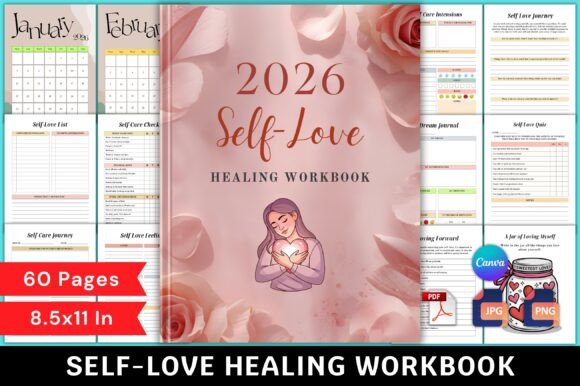
At its core, this workbook is a guided journal designed to support holistic growth across mental, emotional, and spiritual dimensions—month by month, day by day. Unlike generic planners or bullet journals, it’s built on evidence-informed practices: cognitive reframing, gratitude science, habit formation theory, and trauma-informed self-reflection. Each page invites awareness—not judgment—and every section serves a purpose rooted in real psychological insight.
It’s not about “fixing” yourself. It’s about returning—to your values, your intuition, your breath, your worth. Whether you’re navigating burnout, recovering from loss, stepping into new roles, or simply craving more peace in daily life, this workbook meets you where you are.
Why a *2026*-Specific Workbook Matters
A dated workbook may seem like a small detail—but it’s deeply intentional. The 2026 edition aligns with the natural rhythm of renewal: fresh calendar pages (January–December), seasonal reflection prompts, and monthly planning that honors how energy, focus, and needs shift throughout the year. You won’t waste time adapting outdated layouts or guessing which month a tracker belongs to. Instead, you’ll experience continuity—a consistent thread of care woven through 365 days.
Key Features—Designed for Real Life, Not Just Ideals
This isn’t a collection of pretty pages. Every feature responds to common human struggles—with clarity, compassion, and practicality.
Monthly Calendar & Planning Pages
Start each month grounded—not overwhelmed. These pages include space for intentions, priorities, and realistic scheduling. Unlike rigid planners that demand perfection, they encourage flexibility: “What do I truly need this month?” rather than “What must I accomplish?”
Self-Care Planner Checklist
Forget vague resolutions like “be healthier.” This checklist turns intention into action with simple, daily anchors: drink water, prioritize sleep, write one gratitude note, move your body, pause for mindful breathing. Research shows consistency—not intensity—builds lasting habits. Tracking these micro-actions builds self-trust over time.
Self-Love Journal Prompts
Prompts go beyond surface-level questions. You’ll explore: “When did I feel most authentically myself this week?” or “What emotion am I avoiding—and what might it be asking me to honor?” These aren’t therapy substitutes—but they *are* powerful entry points for self-awareness, especially for those new to reflective practice.
Affirmations & Gratitude Sheets
Science confirms: regularly naming what we appreciate rewires neural pathways toward resilience. And affirmations work—not as magical mantras, but as compassionate counter-narratives to ingrained self-doubt. The workbook offers curated, believable statements (“I am allowed to rest without guilt”) alongside space to craft your own.
Mood, Habit & Gratitude Trackers
Tracking isn’t about surveillance—it’s about pattern recognition. Notice how sleep quality impacts your patience. See how movement shifts your mood—even on low-energy days. These visual records help you respond with wisdom, not shame.
Dream Journal & Sleep Notes
Sleep and dreams hold untapped emotional intelligence. Recording fragments, feelings, or even “I don’t remember” builds somatic awareness. Over time, recurring themes may reveal unprocessed emotions—or simply deepen your relationship with rest as sacred, not optional.
Mindset Shift: Rewrite Your Story Pages
This is where transformation lives. You’ll identify limiting beliefs (“I’m not enough unless I’m productive”) and gently rewrite them using evidence from your own life (“Last week, I rested—and still showed up fully for my team”). This practice, drawn from cognitive behavioral therapy (CBT) and narrative therapy, helps loosen old stories that no longer serve you.
Reflection Worksheets: Legacy, Growth & Happiness
Questions like “What do I want to be remembered for?” or “When did I feel most alive this season?” invite meaning-making—not just goal-setting. These aren’t abstract musings. They clarify values, inform decisions, and reconnect you to purpose beyond performance.
Self-Love Activities & Practices
Confidence isn’t born from achievement—it’s cultivated through action. Try a “strength spotlight” exercise: list three ways you showed courage this week—even if it was speaking up in a meeting or saying no to an extra commitment. These small celebrations rewire your brain’s attention toward competence and agency.
Free-Writing Spaces
Not every thought needs structure. Blank pages offer permission to vent, dream, grieve, or wander—without rules or expectations. This space honors the messiness of healing.
Who Benefits Most From This Workbook?
Anyone ready to invest in themselves—not as a project, but as a person. It’s ideal for:
- Beginners to journaling—clear prompts remove the “what do I write?” barrier.
- Experienced reflectors—depth and variety prevent stagnation in practice.
- Therapy clients—a supportive tool between sessions to reinforce insights.
- Caregivers & helpers—a vital reminder that tending to yourself makes you more present for others.
- Professionals facing transition—career shifts, new parenthood, relocation—moments when identity recalibration is essential.
Common Misconceptions—Clarified
“Self-love means being selfish.” Not at all. True self-love fuels empathy, patience, and generosity—because you’re no longer running on empty. You give from abundance, not depletion.
“I need to be ‘healed’ before starting.” Healing isn’t a finish line. This workbook meets you mid-journey—whether you’re processing grief, managing anxiety, or simply feeling disconnected from joy.
“It’s only for women.” Self-compassion is human. Men, nonbinary individuals, teens, and elders all benefit from tools that validate inner experience and nurture emotional literacy.
How This Fits Into Modern Life—Beyond the Page
In our hyperconnected, fast-paced world, self-love practices are no longer luxuries—they’re protective factors. Studies link regular self-compassion to lower cortisol levels, improved immune function, and greater workplace resilience. Leaders who model self-awareness foster psychologically safe teams. Educators who practice grounding techniques bring calm into classrooms. Creatives who honor their rhythms produce more authentic work.
This workbook doesn’t ask you to add more to your plate. Instead, it helps you reclaim moments already there—your morning coffee, your evening wind-down, your commute—turning them into opportunities for presence and care.
Your Invitation to Begin
You don’t need motivation to start. You just need curiosity—and maybe five minutes. Open to January. Read the first prompt. Write one sentence—even if it’s “I’m not sure how I feel.” That’s enough. That’s the beginning of returning.
The 2026 Self-Love Healing Workbook isn’t about becoming someone new. It’s about remembering who you’ve always been beneath the noise: worthy, whole, and deeply capable of holding yourself with kindness.
Ready to begin your year of gentle, grounded growth? Your journey starts with a single page—and the courage to turn it.