1000 Creative Prompts Library
Staring at a blank page. Scrolling endlessly for inspiration. Feeling stuck before the first sentence—or sketch—is drawn. If this sounds familiar, you're not alone. Creative blocks don’t discriminate: writers wrestle with plot holes, artists second-guess composition, students freeze before essays, journalers lose momentum after Day 3, and even seasoned professionals hit mental fatigue. What’s missing isn’t talent—it’s timely, diverse, and *actionable* creative fuel. That’s where the 1000 Creative Prompts Library steps in—not as another static workbook, but as a responsive, planner-style idea engine designed for real-world use.
The 1000 Creative Prompts Library is a thoughtfully curated, all-in-one resource that moves beyond generic “write about your childhood” prompts. It’s structured like a trusted creative companion—organized, adaptable, and deeply practical. Whether you’re drafting a novel, sketching daily, guiding a classroom, supporting emotional wellness, or experimenting with AI tools, this library meets you where you are—with prompts grounded in psychology, pedagogy, design thinking, and creative habit science.
Let’s be clear: creativity isn’t just about output. It’s about consistency, curiosity, and confidence. Many adults struggle not with imagination, but with sustaining it amid competing priorities—work deadlines, caregiving, screen fatigue, or the quiet pressure to “be original.” The 1000 Creative Prompts Library addresses this by reducing decision fatigue. Instead of asking, “What should I create today?”, it offers precise, ready-to-use starting points—each designed to spark momentum, not overwhelm.
Consider these everyday challenges—and how the 1000 Creative Prompts Library helps:
- Writers facing mid-project slumps: A short story stalls at Chapter 4? Try a storytelling roleplay prompt—like “Rewrite the last scene from the antagonist’s diary”—to reignite perspective and subtext.
- Artists seeking technical growth: Stuck in familiar styles? The art drawing prompts include constraints (“Draw using only three lines”) and thematic anchors (“Illustrate ‘resilience’ without showing a person”) that build observational skill and conceptual clarity.
- Students needing low-stakes practice: Essay anxiety drops when prompts are scaffolded—not just “describe a challenge,” but “Describe a challenge you solved using a tool you built yourself.” The brainstorming problem-solving challenges integrate critical thinking with narrative, making writing feel purposeful—not performative.
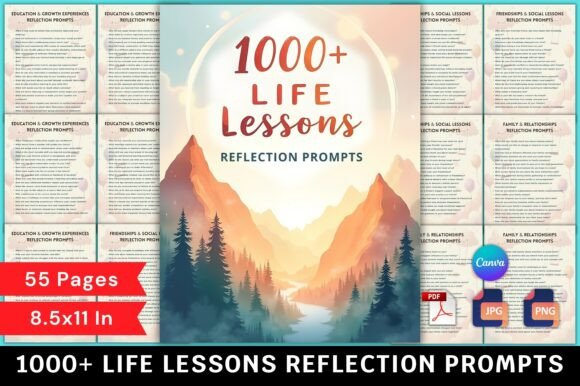
- Journal lovers craving depth: Emotional mindfulness prompts go beyond “How do you feel?” They invite embodied reflection: “Write a letter to your nervous system thanking it for one thing it protected you from this week.” This builds self-awareness without cliché.
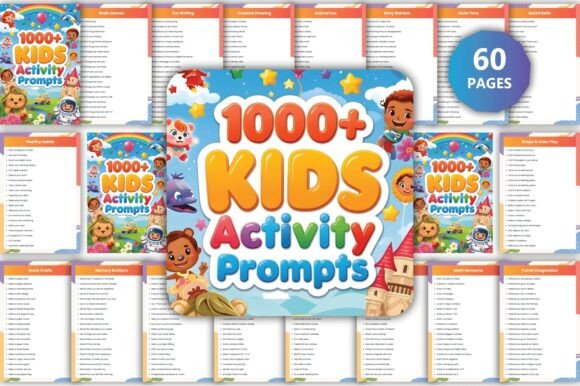
- Educators and parents supporting young creators: The kids’ learning drawing prompts pair visual tasks with literacy cues (“Draw a creature that speaks in rhymes—then write its first stanza”). They’re classroom-ready, inclusive, and aligned with developmental milestones.
What makes the 1000 Creative Prompts Library especially effective is its intentional organization. Prompts aren’t dumped into one long list. They’re grouped into intuitive categories—writing, art, journaling, AI creativity, roleplay, problem-solving, and emotional wellness—so users can match prompts to their current goal, mood, or time available. Need a 5-minute reset? Grab an emotional mindfulness prompt. Have 45 minutes and want to stretch your storytelling muscles? Dive into the roleplay section. Planning a workshop? Pull from the problem-solving challenges for collaborative ideation.
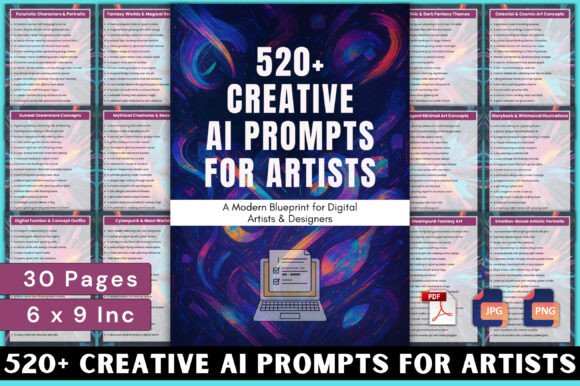
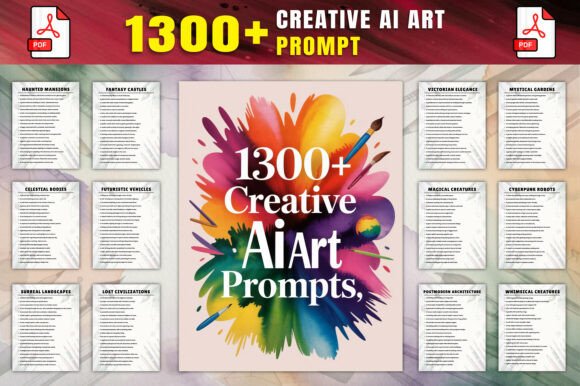
And because modern creativity happens across platforms, the 1000 Creative Prompts Library includes AI digital creativity prompts—not as gimmicks, but as thoughtful bridges between human intuition and machine capability. Examples include: “Generate three surreal metaphors for ‘time’ using an AI tool—then hand-sketch the one that feels most emotionally true,” or “Use AI to draft a dialogue snippet, then rewrite it using only sensory details (no adjectives).” These prompts treat AI as a collaborator—not a replacement—strengthening discernment and voice.
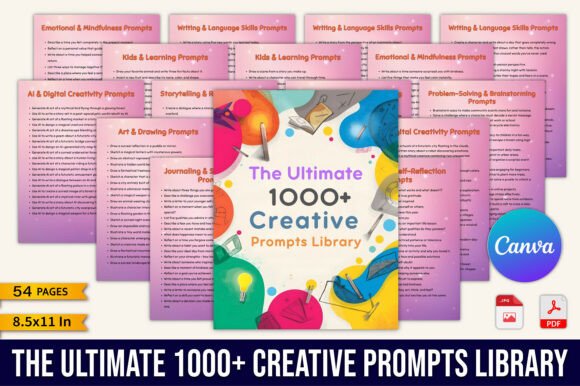
Practicality extends to format, too. The library comes with high-quality, printable PDF files (8.5×11 inches) and an editable Canva link featuring 54 customizable templates—from minimalist prompt cards to vibrant journal spreads. This means educators can adapt prompts for slides or handouts; artists can paste prompts directly onto digital canvases; writers can print weekly prompt grids and check off completed ideas. No tech barrier. No setup friction. Just immediate usability.
Different users naturally engage with the 1000 Creative Prompts Library in different ways—and that’s by design. A novelist might treat it like a “prompt pantry,” pulling one per chapter to test character motivations. A therapist could integrate emotional wellness prompts into session wrap-ups. A homeschool parent might rotate through kids’ drawing prompts every Tuesday, pairing them with science or history themes. A UX designer might use problem-solving challenges during team brainstorming to break habitual thinking patterns. The flexibility isn’t accidental—it reflects how creativity functions in real life: contextual, iterative, and deeply personal.
To get the most from the 1000 Creative Prompts Library, start small. Pick *one* category that aligns with your current need—even if it’s not your “main” creative identity. Try three prompts over a week. Notice which ones sparked energy, surprise, or insight. Then explore adjacent categories. Over time, you’ll build a personalized prompt rhythm: some days for play, some for precision, some for processing.
Finally, remember this: creativity isn’t a finite resource you run out of—it’s a muscle strengthened through consistent, varied use. The 1000 Creative Prompts Library doesn’t promise perfection. It promises possibility. It replaces the weight of “What should I make?” with the lightness of “Here’s something interesting to try—right now.” And in a world full of noise and demands, that kind of gentle, reliable invitation may be the most powerful creative tool of all.